Understanding Why Power Distribution Can Be Uneven in Commercial Buildings
Uneven power distribution in a commercial building means that certain circuits, panels, or phases carry a heavier electrical load than others. This imbalance can lead to overheated equipment, tripped breakers, reduced efficiency, and even premature failure of electrical components. The direct answer is that most commercial buildings use three-phase power, and when the loads on each phase are not roughly equal, the system becomes unbalanced. The causes range from poor initial design and incremental additions of equipment to aging infrastructure and seasonal changes in usage.
How Three-Phase Power Works
Commercial power distribution typically relies on three-phase power because it can deliver more energy efficiently than single-phase systems. In a three-phase system, three alternating currents are offset so that power delivery is constant. Ideally, the loads on each phase are balanced. When one phase carries a significantly larger load than the others, current flows through the neutral conductor, creating losses and heat. This imbalance is the root of many power quality issues.
Common Causes of Imbalance
Incremental Equipment Additions
Over time, businesses add new machines, lighting, HVAC units, and office equipment. Often, these additions are connected to the nearest available circuit without considering the overall phase balance. A single-phase load, like a large air conditioner or a bank of computers, might be added to a phase that already serves heavy loads. This is one of the most frequent reasons for uneven power distribution.
Poor Initial Design
Some commercial buildings were designed with a basic load schedule that did not anticipate future needs. The original electrical panel schedules might have assumed certain loads on each phase, but as tenants change and equipment evolves, the actual loads drift. If the building was wired without careful phase balancing during construction, the imbalance can be baked in from day one.
Changes in How a Space Is Used
A retail store that becomes a restaurant, or an office that becomes a data center, will have completely different power demands. Even without major renovations, simply rearranging workstations or moving machinery can shift loads. Without a corresponding update to the power distribution layout, imbalance grows.
Faulty or Aging Equipment
Transformers, main switchgear, and busbars can degrade over time. Corroded connections, loose terminations, or failing contactors can create higher resistance on one phase, effectively unbalancing the system even if loads are equal. Similarly, a malfunctioning voltage regulator or capacitor bank can cause uneven voltage levels between phases, which in turn affects how loads draw current.

Single-Phase Loads on a Three-Phase System
Most commercial buildings have a mix of three-phase equipment (motors, large compressors) and single-phase loads (lighting, receptacles, smaller appliances). When many single-phase loads are concentrated on one or two phases, the system becomes unbalanced. This is especially common in buildings where lighting and receptacles were wired to the same panel without regard for phase distribution.
Signs of Uneven Power Distribution
There are several telltale symptoms that a building's power distribution is out of balance. You might notice that one panel runs noticeably warmer than others. Circuit breakers on one phase trip more often. Motors may run hotter or vibrate more. Lights might flicker or dim when heavy equipment starts. Utility bills may be higher than expected because unbalanced systems waste energy. In severe cases, neutral conductors can overheat, creating a fire risk.
How to Diagnose an Imbalance
Diagnosing uneven power distribution requires measuring voltage and current on each phase at the main distribution panel and at subpanels. A qualified electrician can use a clamp meter or a power quality analyzer to record real-time loads. They will look for a difference greater than 10% between the highest and lowest phase currents. The measurements should be taken at different times of day and under different load conditions to capture the full picture.
It is also important to check the neutral conductor current. In a perfectly balanced three-phase system, the neutral carries no current. A high neutral current is a clear sign of imbalance. The same electrician can also inspect connections for signs of overheating, such as discolored insulation or melted wire nuts.
What Can Be Done About It
Phase Rebalancing
The most straightforward fix is to move some single-phase loads from a heavily loaded phase to a lightly loaded one. This is done at the panel by rearranging circuit breakers. It is a relatively low-cost job that can bring an unbalanced system back into specification. However, it requires careful planning to ensure that the loads being moved are compatible with the new phase and that no circuit is overloaded.
Upgrading the Distribution System
If the building's main switchgear, busbars, or feeders are undersized or outdated, rebalancing alone may not be enough. In that case, upgrading the transformer, replacing feeder circuits, or installing a new distribution panel might be necessary. This is a larger investment but can improve reliability and efficiency for years.
Load Scheduling and Monitoring
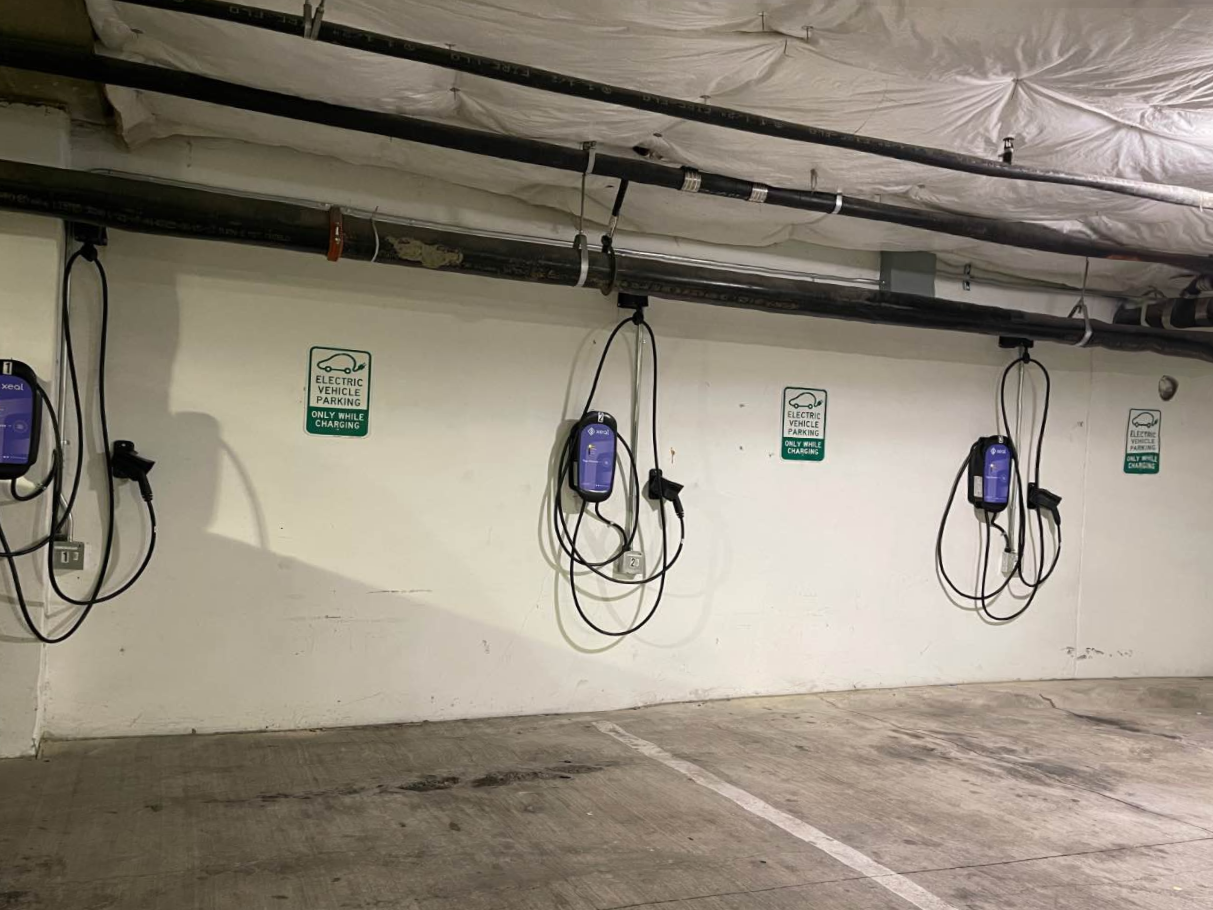
For buildings with variable loads, installing a power monitoring system can help. These systems track current, voltage, and power factor on each phase in real time. They can alert facility managers when an imbalance exceeds a set threshold. With this data, you can plan when to run heavy equipment or adjust schedules to keep loads balanced.
Designing for Future Growth
When planning a renovation or new construction, it is wise to design the power distribution system with spare capacity and flexibility. Leaving extra space in panels, using busways instead of fixed conduits, and planning for three-phase loads can make future rebalancing easier. This is where a qualified commercial electrical contractor can provide valuable guidance.
Why Professional Help Matters
Working on commercial power distribution is not a DIY project. The voltages are high, the currents can be lethal, and the consequences of a mistake include fire, equipment damage, and personal injury. A licensed electrician has the tools and training to safely measure, diagnose, and correct imbalances. They also know the local codes, which in many jurisdictions require periodic testing of electrical systems in commercial buildings.
For businesses in the San Jose and Santa Clara areas, Wooding Electric offers commercial electrical services that include troubleshooting and correcting power distribution issues. Their team can assess a building's load profile and recommend practical solutions. Whether it is a simple phase rebalance or a larger upgrade, having an experienced partner makes the process smoother and safer.
In addition to technical expertise, a professional can help you prioritize. Not every imbalance needs immediate correction. Some may be minor and can be scheduled for the next maintenance window. Others, such as a high neutral current or overheated busbars, need prompt attention. An electrician can help you distinguish between a nuisance and a hazard.
Prevention Is Better Than Cure
The best way to avoid uneven power distribution is to plan for it from the start. That means involving an electrical contractor early in the design phase of a new building or major renovation. It also means keeping records of all electrical additions and changes, so that future electricians can see what was done and why. Regular maintenance, including thermal imaging of panels and load logging, can catch imbalances before they cause problems.
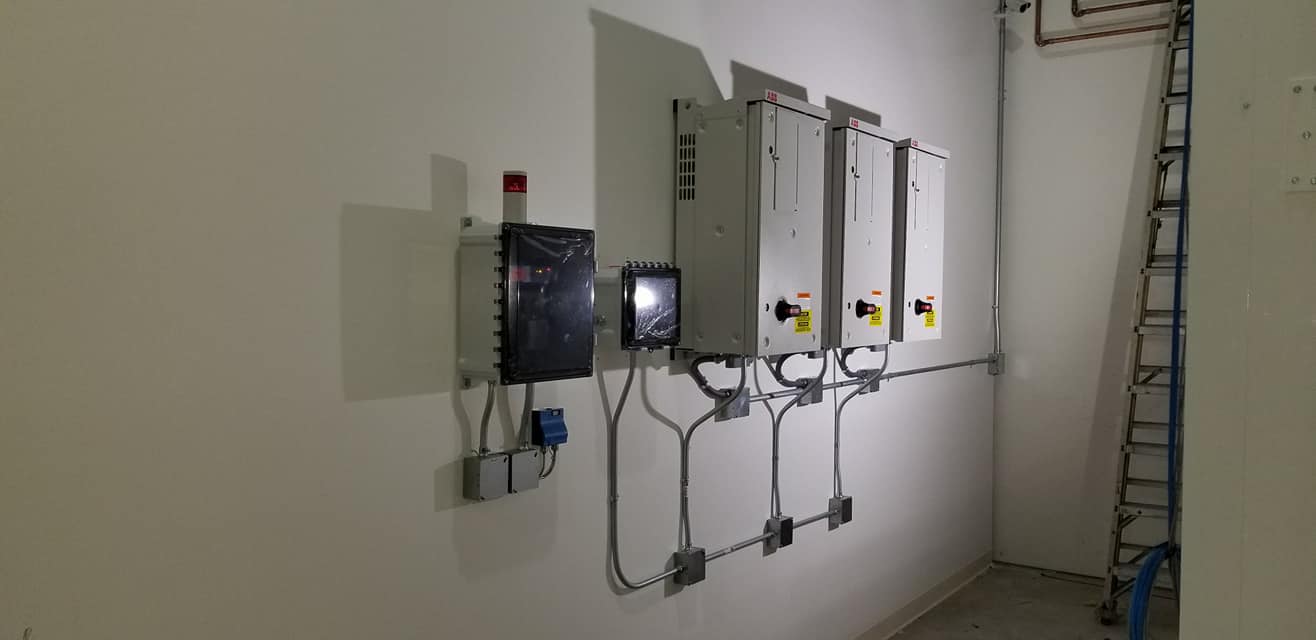
For existing buildings, a periodic power quality audit is a good investment. It can reveal not only imbalances but also harmonics, voltage sags, and other issues that affect equipment longevity and energy costs. The findings can guide a maintenance plan that keeps the power distribution system healthy.
Uneven power distribution is a common but solvable problem in commercial buildings. It usually comes from a combination of design choices, equipment additions, and changing use patterns. The good news is that with proper diagnosis and professional help, it can be corrected. A balanced system runs cooler, lasts longer, and costs less to operate. It also reduces the risk of unexpected downtime, which is something every business wants to avoid.
If you suspect your building has an imbalance, start by noting any symptoms like flickering lights, warm panels, or tripped breakers. Then call a qualified electrician to take measurements. For businesses in the Bay Area, Wooding Electric can help identify and resolve these issues, getting your commercial power distribution back in shape.